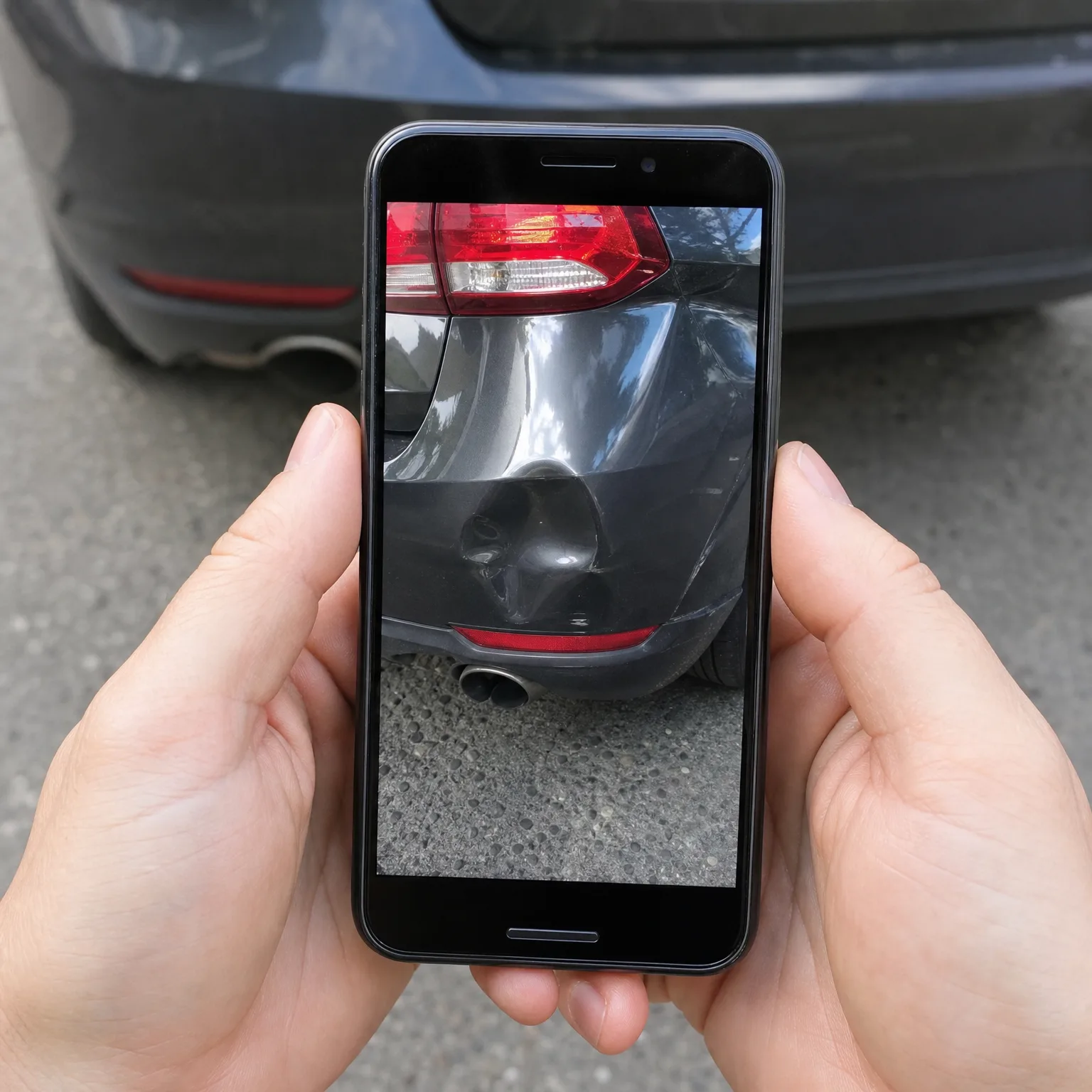
Does Having an Interlock Affect Insurance
The interlock itself doesn't change your rate. The conviction and the SR-22 filing that come with it are what your insurer is pricing.
The interlock is a device, not a risk factor your insurer prices
An insurer sets your price based on your driving record and the risk you represent, not on the hardware installed in your car. The interlock device is ordered by a court or motor vehicle agency to make sure you aren't driving after drinking. It doesn't report to your insurer, and it isn't a line item on any application.
What your insurer does care about is the conviction that led to the interlock requirement in the first place, and the SR-22 filing that usually comes with it. The SR-22 is a form your insurer sends to the state confirming you carry the required coverage. Needing one is what tells an insurer you were convicted of something serious enough to need this kind of oversight, and that's the part that affects price.
So in practice, your rate reflects the DUI or DWI on your record, not the interlock itself. If you already have the SR-22 in place, adding the interlock doesn't stack another increase on top. The increase already happened when the conviction and the filing requirement did.
There are cases where things vary. Some states require the insurer to confirm interlock compliance as part of the SR-22 process, and some insurers ask about it directly on an application. Check with your agent or the state's motor vehicle agency to see whether that applies to you, since it can affect which insurers will take you on, even if it doesn't change the pricing logic underneath.
A driver assumes the interlock is the problem and finds out it isn't
A driver convicted of a first DUI installed an interlock as ordered and then called around for insurance quotes, worried that mentioning the device would scare insurers off or push the price higher. He left it out of the first few calls, worried it would complicate things, and the quotes he got all still required an SR-22 and came back high. Confused, he asked an agent directly whether the interlock itself was adding to the cost.
The agent explained that the price increase was tied to the DUI conviction and the SR-22 filing, not the device. Once he understood that, he stopped treating the interlock as something to hide and started treating the SR-22 as the real task at hand, getting it filed correctly and shopping insurers who handle SR-22 cases regularly. He ended up with a policy at a price in line with others who'd had the same conviction, and the interlock never came up again except as a line on the court paperwork.

Whether you mention the interlock when you shop for coverage
If you do
You tell the agent upfront, and they confirm it doesn't change the quote beyond what the SR-22 already reflects. They can also tell you if your state requires compliance reporting, so there are no surprises later if the agency checks on you.
If you don't
You leave it off, and in most cases nothing changes since insurers aren't pricing the device anyway. But if your state does ask about it on the application, leaving it out could cause problems if it surfaces later through the court or DMV record.
Knowing the interlock isn't the real cost driver, compare SR-22 quotes with a clear sense of what's shaping your price.

What actually shapes your insurance while you have an interlock
- The SR-22, not the device Your insurer prices the conviction and the SR-22 filing, not the interlock. Focus your energy on getting the filing done right, not on explaining the device.
- Compliance reporting rules Some states tie interlock compliance to the SR-22 process. Ask your state's motor vehicle agency whether you need to report anything beyond the filing itself.
- Insurers used to DUI cases Not every insurer writes SR-22 policies comfortably. Look for ones experienced with DUI cases so the process moves faster and with fewer surprises.
- How long the filing lasts The SR-22 requirement has its own timeline separate from the interlock order. Confirm both end dates with your court and your insurer so you don't let either lapse.
- What happens if either lapses A lapsed SR-22 gets reported to the state and can restart your requirement period. Keep payments current and the filing active until the state confirms you're clear.

Stop worrying about the device. The conviction and the filing set your price, not the hardware.
Will removing the interlock lower my insurance rate?
Not directly. Once the interlock comes off, your insurer doesn't adjust your rate because of that change, since the device was never the thing being priced. What actually lowers your rate over time is distance from the conviction itself. As the DUI or DWI ages on your record, and especially once the SR-22 requirement ends, insurers gradually treat you the same as any other driver with a clean recent history.
The interlock coming off is often a sign that you're nearing that point, since courts usually remove it around the same time the SR-22 period winds down. But the two timelines aren't automatically linked, and in some states they're tracked by completely separate agencies. Check both your court order and your SR-22 filing status directly rather than assuming one clears the other, so you know exactly when to expect your rate to reflect the clean record you've earned.