What Does Non-Owners Insurance Cover
Non-owners insurance covers liability only, which is exactly what the SR-22 filing requires you to carry.
What a non-owners policy actually pays for
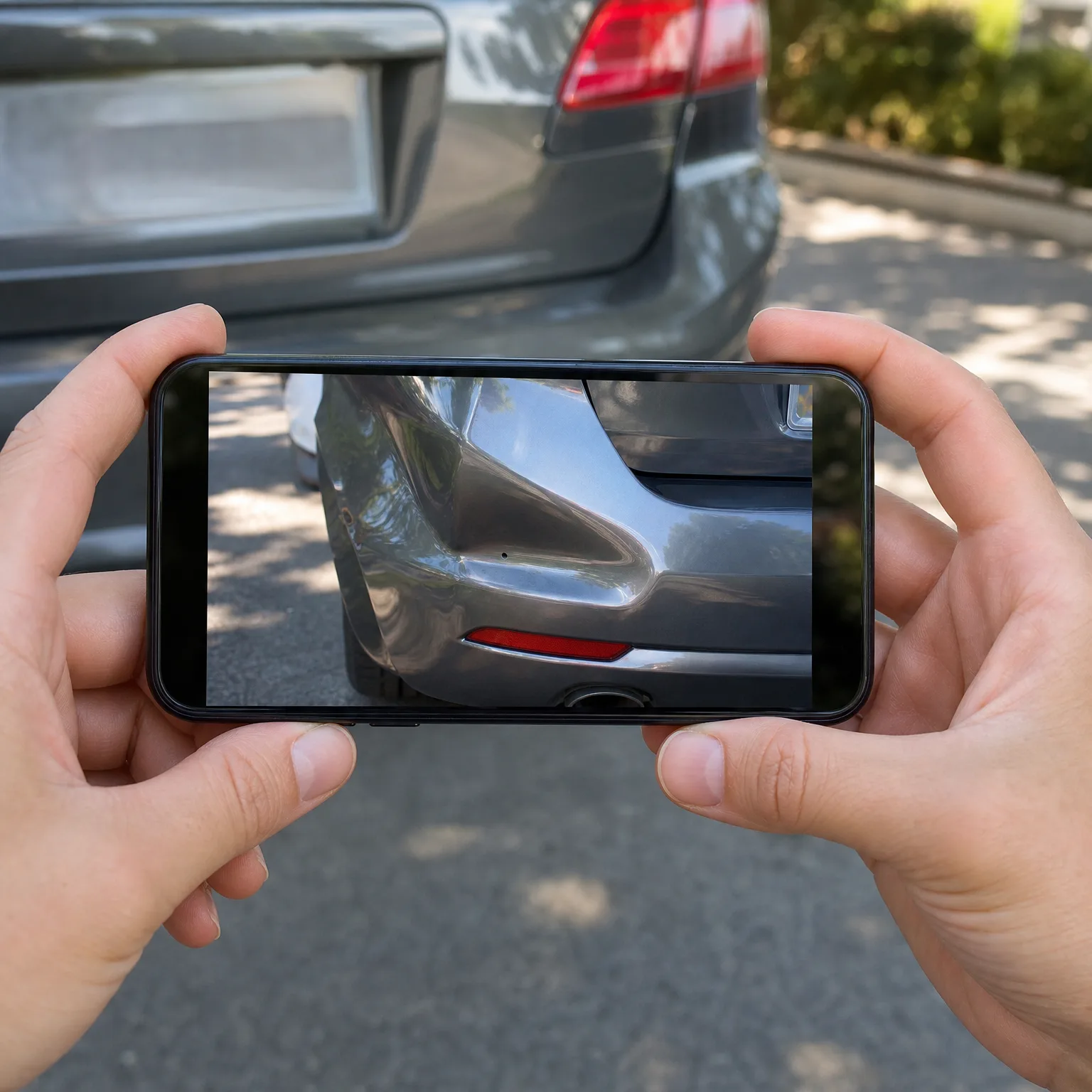
- Liability to others This pays for injuries or damage you cause someone else while driving a car you borrow or rent. It's the core of the policy and the reason it satisfies your SR-22 requirement.
- No coverage for borrowed cars This policy won't pay to fix the car you're driving, even if the crash was your fault. If you borrow a car often, ask the owner about their own collision coverage.
- No coverage for your own car If you buy a car later, this policy won't cover it at all. You'll need to switch to a regular policy the moment you own or regularly drive a vehicle.
- The SR-22 form itself Your insurer files this form with the state to confirm you carry the required coverage. Make sure the company you pick actually offers SR-22 filing before you buy.
- Gaps in coverage If the policy lapses, the insurer must report that too, and it can restart your requirement. Pay on time and keep the policy active for the whole period the state requires.
Can I use non-owners insurance if I still sometimes drive a family member's car?
Yes, but check the details before you count on it. Non-owners insurance generally assumes you don't have regular access to a vehicle that someone else insures. If you're driving a household member's car often, like a spouse or parent you live with, insurers may expect that car to carry its own policy with you listed as a driver instead.
The line between occasional borrowing and regular use matters here, and insurers draw it differently. Some ask how many days a month you expect to drive a car that isn't yours. Others ask directly whether you live with the owner.
If you're unsure which situation fits you, say so plainly when you apply. Misrepresenting how often you drive can give the insurer a reason to deny a claim or cancel the policy, which defeats the purpose of getting the SR-22 filed in the first place.

Buying a non-owners policy now versus waiting
If you do
You get the SR-22 filed right away, which satisfies the court or state deadline. You're covered with liability protection whenever you borrow a car or rent one. The clock starts on your required filing period, so you're working toward being done with it.
If you don't
The state may suspend your license until the filing is on record. Driving without it risks another violation, more fines, and a longer road back to a normal policy. The requirement doesn't go away, it just sits there unresolved while penalties can grow.
Compare non-owners quotes now that you know what the policy covers and what it won't.
Why the coverage is built this way
Non-owners insurance exists for a narrow problem. States that require an SR-22 need proof you carry liability coverage, but standard auto policies are written around a specific car you own or garage. If you don't have one, there's nothing for a normal policy to attach to. Non-owners insurance solves that by covering you as a driver, not a vehicle, so the liability requirement gets met without insuring a car that doesn't exist.
That's also why the coverage stops at liability in most cases. Collision and comprehensive coverage are built around protecting a specific vehicle's value, and since you don't own the car you're driving, there's no vehicle for the policy to protect. The owner's insurance, if they have any, is what would cover damage to their own car.
Where this gets less uniform is in the edge cases. Some insurers extend small amounts of medical payments coverage or uninsured motorist coverage onto a non-owners policy, and some don't offer it at all. Whether rental cars are treated the same as borrowed cars also varies by insurer. These aren't universal features, so you'll want to ask directly what's included rather than assume.
The filing period itself is set by the state or court, not by the insurance company, so how long you need the policy depends on where you are and what you were convicted of. Check with the agency that ordered the SR-22 for your specific timeline, since guessing wrong can mean the requirement resets.
Does non-owners insurance cover a rental car I pick up for a weekend trip?
Often yes, but confirm it with the insurer before you rely on it. Many non-owners policies extend liability coverage to rental cars since you still don't own the vehicle. What they typically won't cover is damage to the rental car itself, which is why rental companies sell their own damage waivers. Ask your insurer directly whether rentals are included and whether there's any restriction on trip length or location.
Will my rates go down after the SR-22 period ends?
Usually, yes, because the filing itself isn't what makes rates high, the conviction is. Once enough time passes without another violation, insurers typically see you as lower risk again and price accordingly. How much time that takes varies by insurer and by state, so ask any company you're quoting with how they view older convictions. A clean record during the filing period helps the most.
Can I switch non-owners policies to a different insurer during my SR-22 period?
Yes, as long as the new insurer takes over the SR-22 filing without a gap. The state only cares that a valid filing is on record continuously, not which company files it. If you switch, make sure the new policy and filing start before the old one ends, and confirm the new insurer actually submits the form, since any lapse can restart your required period.