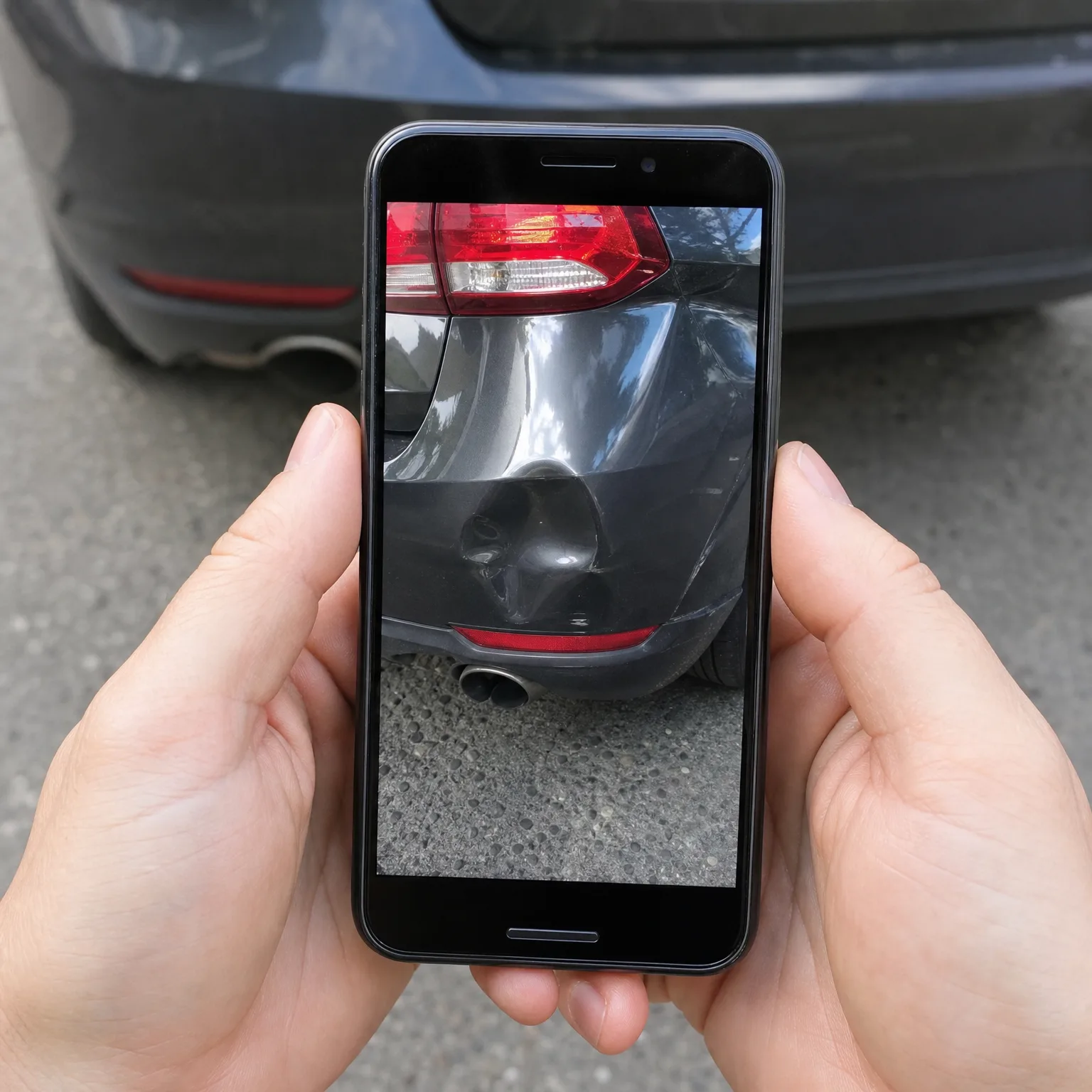
What Is an SR26
An SR26 is the notice your insurer sends when your SR-22 ends or gets cancelled, and it can trigger a suspension if filed too early.

What an SR26 actually does to your license
- It's a cancellation notice An SR26 tells the state your insurer no longer has an SR-22 on file for you. It gets sent either because your requirement period ended or because the policy lapsed.
- Timing decides what happens If it's filed because you're done with the requirement, nothing bad happens. If it's filed because you missed a payment, the state may suspend your license again.
- Your insurer controls the filing The insurer decides when to send the SR26, not you. Ask them directly whether a cancellation will trigger this form before you switch policies or stop paying.
- State tracks your own clock Your state keeps its own record of how long you need an SR-22. Call the motor vehicle agency to confirm your end date so you're not caught off guard.
- Switching needs careful order If you're changing companies, get the new SR-22 filed before the old one cancels. A gap between filings is what causes the suspension, not the switch itself.

The short version
An SR26 is simply the form your insurer files to tell the state your SR-22 has ended. If that happens before your required period is over, your license can be suspended again. Confirm your end date with the state and line up any new policy before the old one cancels.
How a routine switch almost caused a suspension
A driver nearing the end of a DUI-related SR-22 requirement decided to shop for a cheaper policy with a different company. She assumed that since she was almost done with the requirement, timing didn't matter much. She cancelled her old policy the same day her new one started, expecting a smooth handoff.
Her old insurer filed an SR26 within a day of the cancellation, before her new insurer's SR-22 had been processed by the state. The state's system saw the SR26 first and flagged her license for suspension, even though she had continuous coverage the whole time. She had to call the motor vehicle agency, explain the overlap, and wait for her new insurer's filing to clear before the flag was lifted. It cost her a stressful week and a few unpaid days without a valid license. She later confirmed with both insurers that the new SR-22 was filed and accepted before cancelling anything again.
Once you know how SR26 timing works for your state, compare SR-22 quotes with the order of events already planned.

Do you confirm your SR26 timing before switching insurers
If you do
You call your current insurer and the state, confirm your exact requirement end date, and make sure any new SR-22 is accepted before the old policy cancels. Your coverage stays continuous, no SR26 gets filed early, and your license keeps working the whole time.
If you don't
You cancel or switch without checking, and your insurer files the SR26 the moment coverage ends. If the state still expects an SR-22, it can suspend your license immediately, even if you have new coverage already. Fixing it means calls, paperwork, and possible days without a valid license.
How long does an SR-22 requirement usually last?
It varies by state and by the offense, so you need to confirm your exact end date with your state's motor vehicle agency rather than guessing. Courts sometimes set a different length than the state's default. Ask for the date in writing. That date is what matters when deciding if an SR26 filed against you is a problem or just routine.
Can I cancel my SR-22 policy early if I switch insurers?
Yes, but only safely if the new insurer's SR-22 is filed and accepted by the state before the old policy ends. Otherwise the cancellation triggers an SR26 and a possible gap. Always ask both insurers to confirm the new filing is active first, and keep written confirmation in case the state's system shows a delay.
What do I do if my license gets suspended after an SR26 was filed by mistake?
Contact your insurer immediately and ask them to confirm your coverage status and refile if needed, since an SR26 sent in error can usually be corrected. Then call the state motor vehicle agency with that confirmation. Keep records of every call and date. Most mistaken suspensions clear once the state sees proof that coverage never actually lapsed.