What Happens if You Damage a Company Car
Your employer's insurance usually pays first, but what you owe afterward depends on your employment agreement and how the damage happened.
What actually determines who pays and how much
- Employer's policy responds first Company vehicles are typically insured by the employer, so that policy covers the damage before anything else. Ask your employer or HR which insurer holds the policy and how to start a claim.
- Your own insurance may not apply A personal auto policy usually doesn't cover a vehicle you don't own, so your insurer may have no role here. Check your policy's language on non-owned vehicles so you know where you stand.
- Your agreement sets liability Some companies absorb all damage, others deduct a deductible from your pay, and some have you sign an agreement spelling this out. Read that agreement now rather than after an accident.
- Fault changes the outcome If you were reckless, driving off the clock, or violating company policy, you may be held personally responsible. Be honest about the circumstances so you know which rules apply to you.
- Reporting fast protects you Delaying or hiding damage can turn a minor accident into a bigger problem with your job and the insurer. Report it the same day, in writing, so there's a clear record.

A delivery driver backs into a loading dock
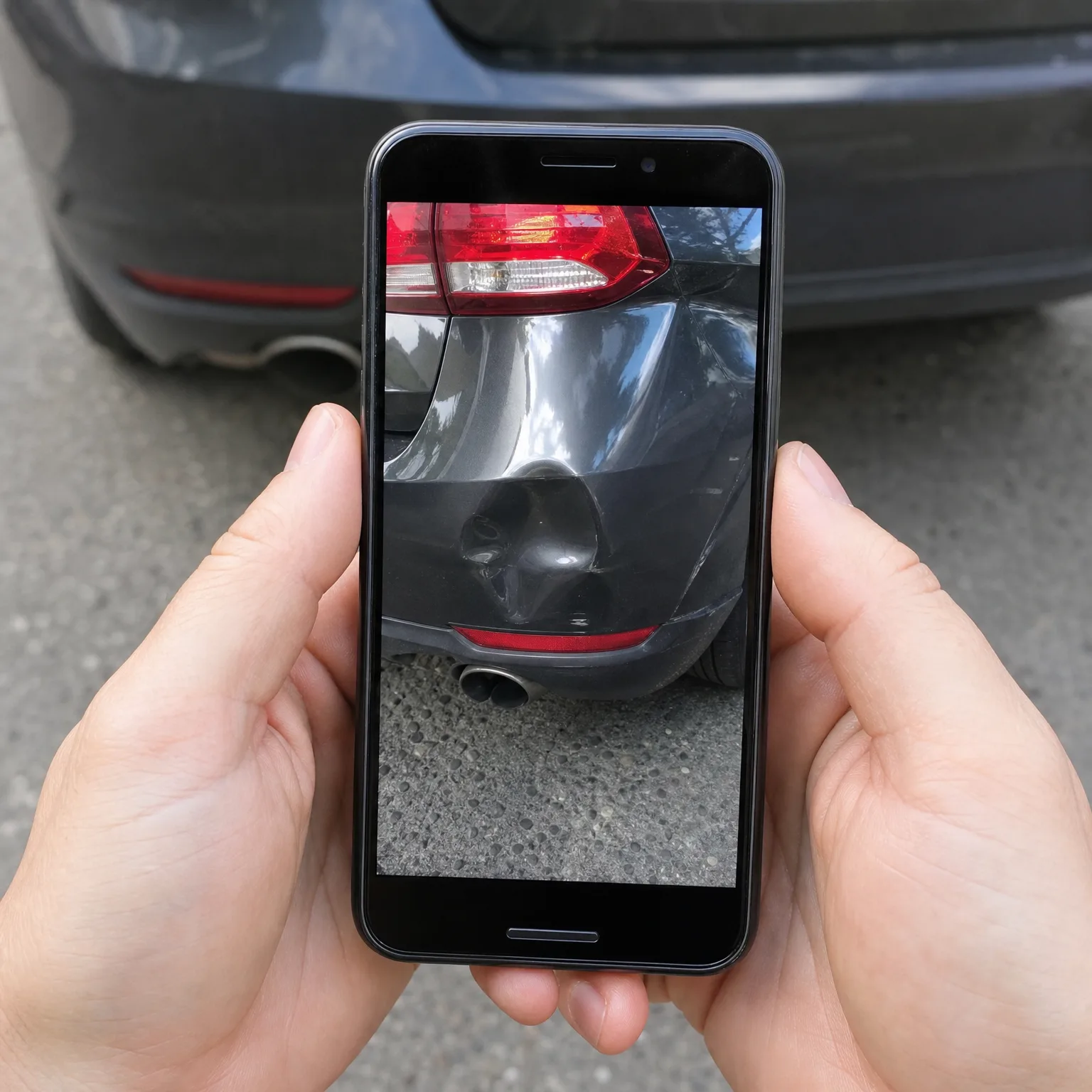
A driver for a regional company was backing a company van into a tight loading dock and clipped a steel post, denting the rear panel and cracking a taillight. No other vehicle was involved and nobody was hurt. The driver was nervous about losing the job over it, but reported the damage to a supervisor within the hour and filled out an incident form before leaving the site.
The company's commercial policy covered the repair, since the van was company owned and the driver was on an authorized route at the time. The employment agreement the driver had signed included a small deductible for at fault incidents, which came out of the next paycheck in agreed installments rather than as a lump sum. Because the driver reported promptly and the circumstances matched normal job duties, there was no disciplinary action beyond a conversation about backing up more carefully. The driver's personal auto insurance was never contacted and never affected, because the van wasn't a vehicle the driver owned or insured.
The real question isn't who pays for the dent, it's what your employment agreement already decided beforehand.
Once you know how your personal policy fits around a company vehicle, compare quotes that match what you need.
Will damaging a company car affect my personal insurance rates?
In most cases, no. Your personal insurance rates are based on claims made against your own policy, and a company vehicle accident is typically handled entirely through the employer's commercial insurance. Your insurer usually never hears about it.
The exception is if you used your personal vehicle for work purposes without telling your insurer, or if the company vehicle incident somehow involves your personal policy, like if you were asked to add it as a listed driver. It's worth confirming with your own insurer whether driving company vehicles needs to be disclosed on your policy at all, since that disclosure requirement varies and has nothing to do with who pays for this specific accident.
Can I get fired for damaging a company car?
Yes, it's possible, but a single accident rarely leads to termination on its own. What matters more is whether you violated company policy, were negligent, or have a pattern of incidents. Check your employee handbook for how your employer categorizes vehicle incidents, since some treat accidents as routine and others as serious conduct issues.
Do I need my own insurance to drive a company car?
Usually not, since the company's commercial policy covers the vehicle itself. Some employers still require you to carry a personal auto policy as a condition of employment, especially if you also drive your own car for any work tasks. Ask HR directly what's required, because this varies by employer and sometimes by state.
What if the company car was damaged by someone else, not me?
If another driver hit the company car, their insurance is typically responsible for the damage, just as in a normal accident. Your employer's insurer may still handle the claim initially and seek reimbursement from the other driver's insurer afterward. Report the details fully, including the other driver's information, so the companies involved can sort out fault between themselves.