Are Parents Liable When an Adult Child Crashes Their Car
Usually not, once an adult child is off your policy and driving their own insured car, but ownership can still pull you in.
What decides whether you're liable
- Whose name is on the title If the car is still titled to you, your liability coverage is typically what pays first, no matter how old the driver is. Retitling the car to your adult child changes this.
- Whose policy covers the car The policy attached to the car usually responds before any other policy does. Check whether your child is listed on your policy or carries their own.
- Where your child actually lives Insurers often still count a child as a household member if they live with you, even as an adult. If they've moved out, tell your insurer so the policy reflects it.
- How the car got used that day Permission matters. If you loaned the car or your child regularly drives it, your coverage is more likely to apply than if they took it without asking.
- Your limits if damages are high A serious crash can exceed low limits fast, and whoever's coverage applies pays out first. Review your liability limits if your child drives your car often.

A car still titled to a parent, driven by an adult son
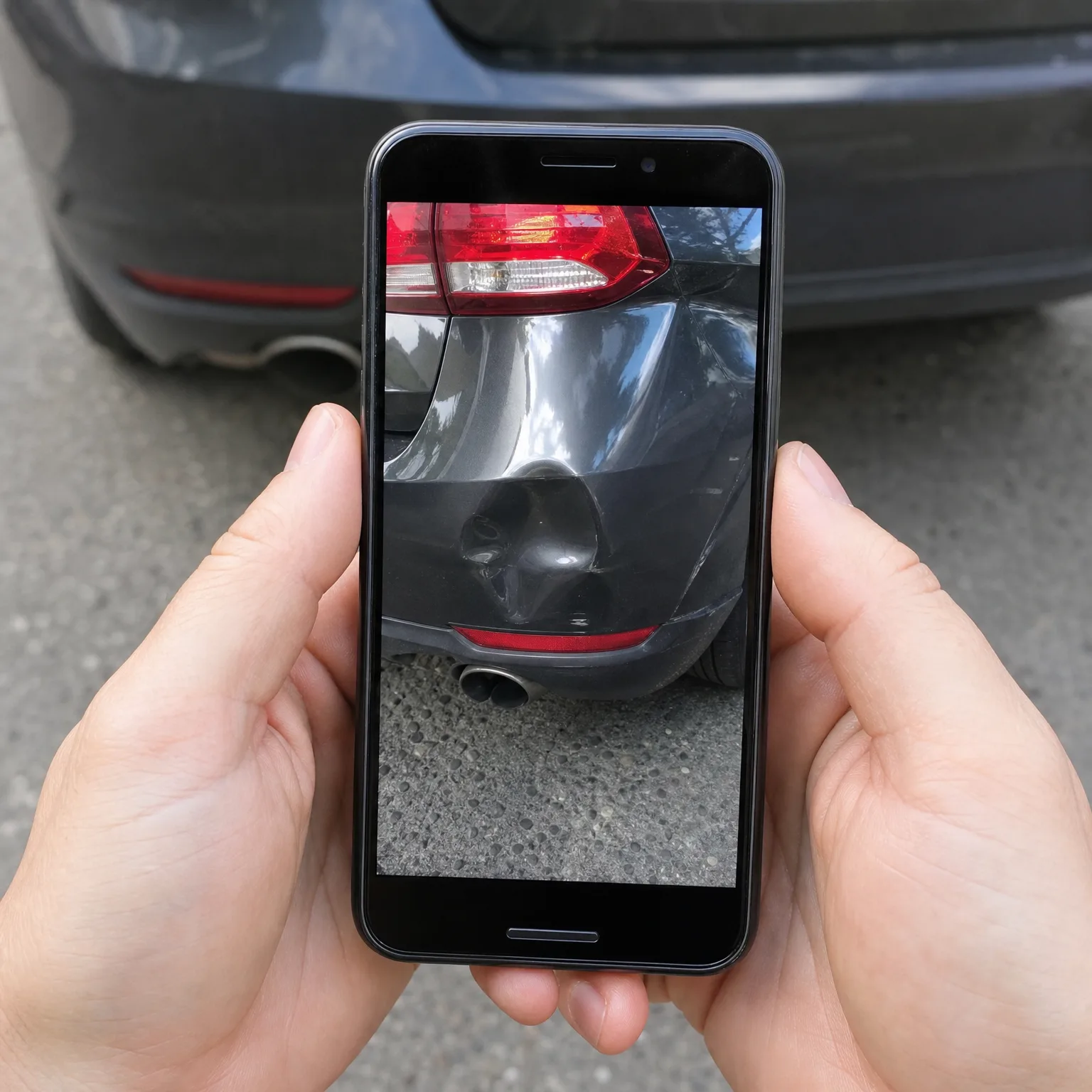
A woman kept an old sedan titled in her name after her grown son moved into his own apartment. He drove it to work most days but never bought his own policy, assuming he didn't need one since the car wasn't his. When he rear-ended someone at a light, the claim went to his mother's insurer, because the car was hers and her policy was tied to the vehicle, not to who was driving it that day.
Her insurer paid the other driver's repair costs and medical bills, but the claim came close to her liability limit, and her own rates went up at renewal. Afterward, she retitled the car to her son and had him buy his own policy, so future accidents would be his insurer's responsibility and not tied back to her. She also found out that she could have added him as a named driver instead, which would have at least made the arrangement clear to her insurer from the start.

Once you know whose name needs to be on the title and the policy, compare quotes to get that coverage right.
Why liability follows the car more than the person
Car insurance is built around the vehicle first. The policy that covers a car is meant to pay for the harm that car causes, which is why ownership carries so much weight. If you own the car, your insurer is usually the one standing behind it, regardless of your child's age or where they live.
Age doesn't erase this because insurers care about who the household member is and what car they're driving, not just who's an adult. A grown child living with you and borrowing your car is treated differently than one who moved out years ago and bought a car under their own name. Moving out and retitling a car are the two clearest ways to separate your liability from theirs.
Permission also shapes the outcome. If you gave your child the keys, even casually, insurers generally treat that as permissive use, and your policy is likely to respond. If the car was taken without your knowledge, some policies still cover it, but insurers look closely at the facts, and this is one of the areas that varies by insurer and by state, so it's worth asking directly how your policy defines permitted use.
The exceptions come from coverage gaps. If your child has no policy of their own and isn't on yours, and the crash is bad enough to exceed what any applicable policy pays, both of you could face a claim against personal assets. This is less about whose fault the structure is and more about limits being too low for the actual damage, which is why reviewing limits matters as much as reviewing ownership.
The real question isn't your child's age. It's whose name is on the title and the policy.
Should I remove my adult child from my car insurance policy?
Remove them once they have their own car and their own policy, not before. Keeping them listed while they still sometimes drive your car can actually protect you, since it makes clear to your insurer who's covered and when. Removing them too early, while they're still using your car occasionally, can leave a claim without clear coverage. Check with your insurer about how they define household drivers before you make the change.
Does my child need their own insurance if they drive my car sometimes?
Not necessarily, if they're listed as an occasional driver on your policy and the car stays titled to you. Many households handle this by adding the child as a named driver rather than buying a separate policy. But if they drive often, keep the car elsewhere, or have moved out, insurers usually expect a separate policy. Ask your insurer where the line is, since the threshold for 'occasional' varies.
What happens if my adult child causes a crash in their own car?
Their policy and their name on the title mean the claim is theirs, not yours, in most situations. Your liability generally ends where your ownership and your policy end. The exception is if you cosigned a loan or lease in a way that ties you to the vehicle, or if you're somehow still listed as an owner. Check the title and registration to be sure your name isn't still attached.